
Vietnam has become one of the busiest places in Southeast Asia for English teachers who want to work with children. Parents put real value on English, cities are lively and affordable to live in by many standards, and the country is long and varied enough to fill every free weekend for a year. Teaching there asks for energy, flexibility and respect for a culture where teachers are held in high regard.
Hanoi and Ho Chi Minh City
Most teaching jobs with children are in the two biggest cities. Hanoi, the capital, sits in the north. It has lakes, tree-lined boulevards, an old quarter of narrow streets, and four noticeable seasons, including a cool, damp winter that surprises many new arrivals. The pace is a little more traditional, and the city is a good base for trips into the northern mountains and to the coast.
Ho Chi Minh City, in the south, is larger, faster and more commercial. It is tropical all year, with a wet season that brings heavy afternoon downpours for roughly half the year and a hotter, drier stretch in the other half. It has a huge range of neighbourhoods, plenty of other teachers, and quick access to the Mekong Delta and the southern beaches.
Smaller cities, including Da Nang in the centre, also have teaching work and a gentler rhythm. Visit both big cities if you can before you decide; many teachers find that one of them simply feels right.
Work permits generally require a degree, a teaching certificate, a clean criminal record and health checks, and documents usually need official certification from home. The rules have changed several times and can be applied differently from city to city, so read the current guidance from a Vietnamese embassy and avoid any employer who suggests working without the right papers. Our guide to qualifications and first steps covers how to judge an offer.
Life on two wheels
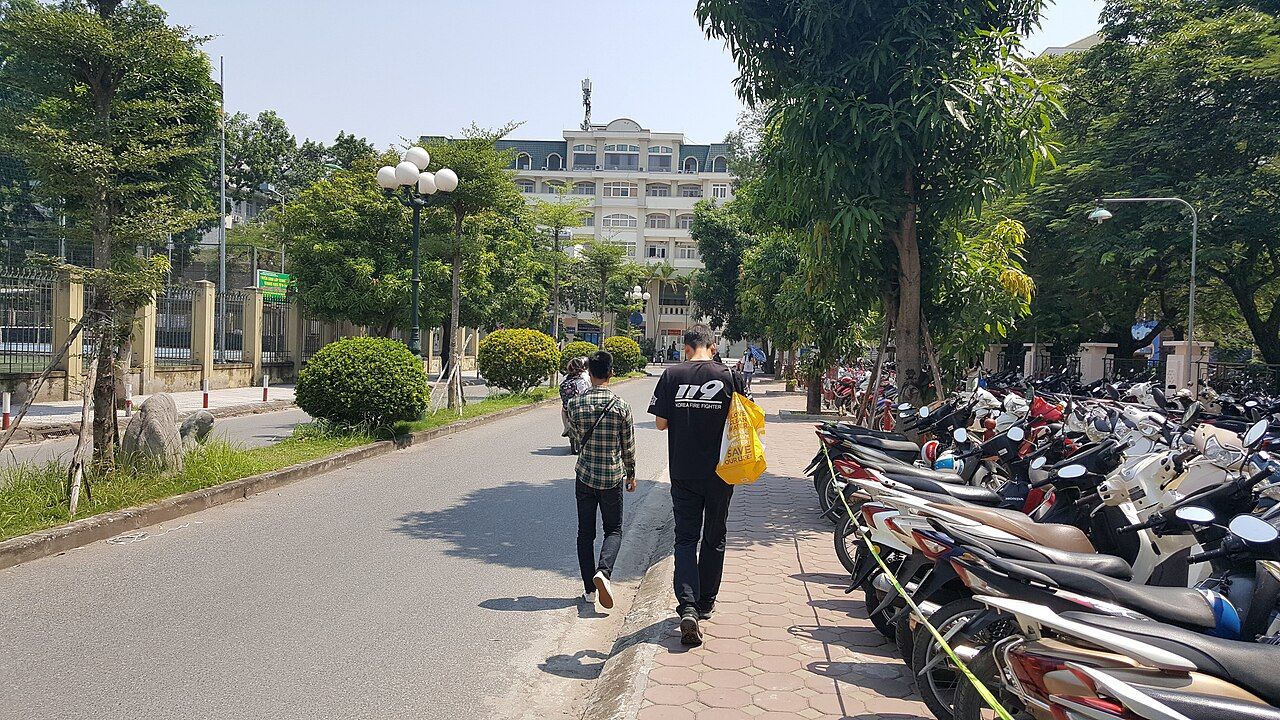
Vietnam moves by motorbike. Families ride three or four to a scooter, delivery riders carry towering loads, and the traffic flows in a way that looks like chaos and slowly reveals its own logic. Walking across a busy street is a skill in itself: move at a steady pace, do not stop suddenly, and let the riders flow around you.
photo
choi kwangmo, CC0Many teachers rent a motorbike for daily life, but think carefully before you do. Licence rules for foreigners are specific, insurance may not cover riders without the right licence, and accidents are a real risk. Wear a proper helmet, which is required by law, and consider ride-hailing taxis or a bicycle while you learn the city.
Tết and the school calendar
Tết, the Lunar New Year, is the most important holiday in Vietnam. It falls in late January or February, and the country slows to a halt for at least a week as people travel home to their families. Schools and language centres close, many shops and restaurants shut for several days, and transport is packed in the days before and after.
For a teacher, Tết is both a rest and a lesson. You may be invited to a colleague's family home, where you will be offered food, tea and small red envelopes are given to children for luck. Accept with both hands and thank your hosts warmly. If you plan to travel, book well ahead, or stay in the city and enjoy its quiet, flower-filled streets.
Turn toHow teachers travel on school holidaysThe rest of the year follows a familiar pattern: a long summer break in state schools, which language centres often fill with intensive courses, and a school year that begins around September. Ask your employer how their calendar works, as private centres and international schools often keep different schedules.
Weekend trips
Ha Long Bay, a few hours by road from Hanoi, is famous for its limestone islands rising out of green water. Overnight boat trips are popular, but a day trip or a quieter neighbouring bay can work just as well on a short weekend.

photo
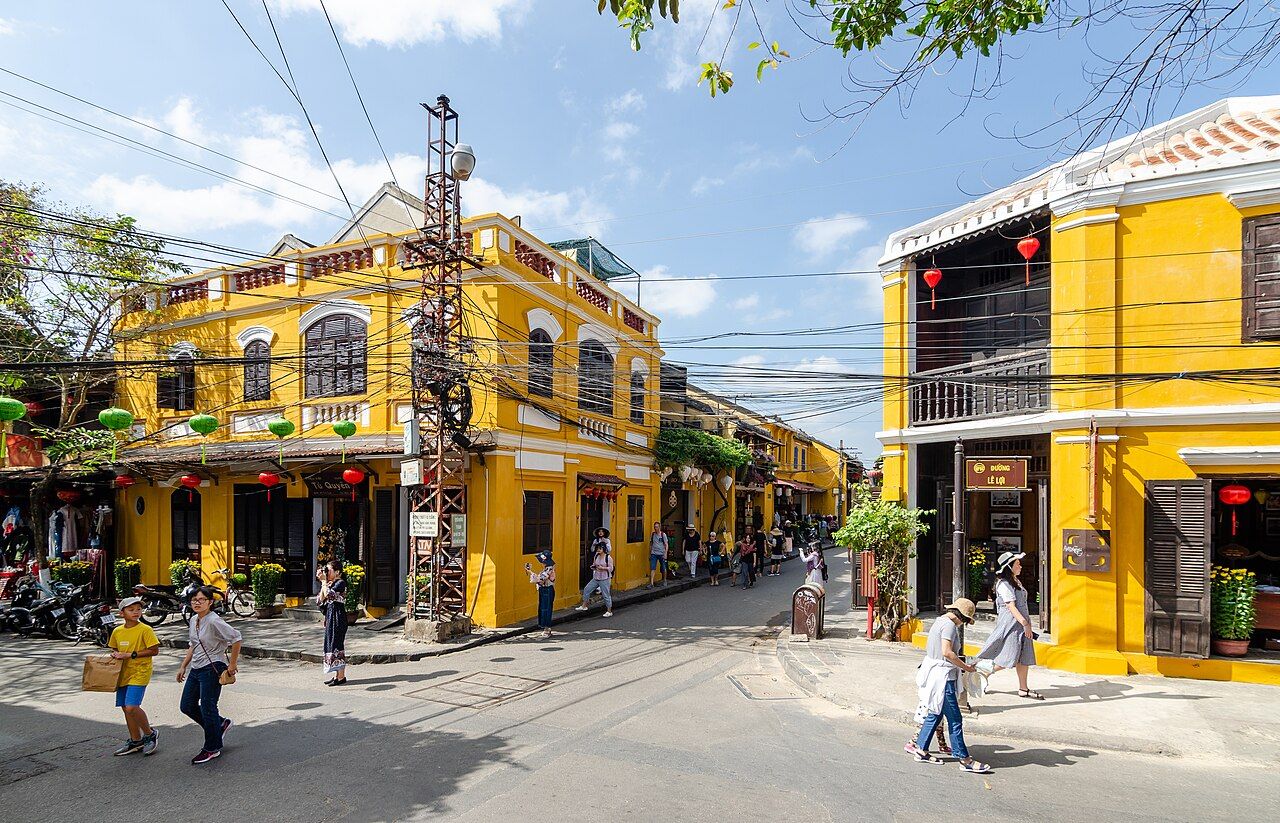
Thomas Hirsch / Ravn, CC BY-SA 3.0Hội An, in central Vietnam, is an old trading port with yellow-walled houses, lanterns and a riverside market. It is a short trip from Da Nang and makes a good long weekend, with beaches and the Marble Mountains nearby. From Hanoi, the northern mountains around Sa Pa and Hà Giang offer rice terraces and hiking; from Ho Chi Minh City, the Mekong Delta and the southern islands are within easy reach. For longer breaks, Laos, Cambodia and Thailand are close.
Respect in the classroom
Teachers in Vietnam are held in high esteem, and that respect is shown in small ways. Children may stand when you enter, greet you as a group and take care with their homework. Parents watch progress closely and value regular reports on how their children are doing.
- Dress neatly and modestly, with shoulders and knees covered.
- Keep your voice calm; losing your temper in front of a class costs more respect than it gains.
- Praise effort generously and correct mistakes gently, without singling one child out.
- Learn a few phrases of Vietnamese; children love hearing you try.
Young learners in Vietnam respond well to songs, games and lively routines, and a simple reward chart can help a large class settle. Keep lessons moving, and build in time to recap, as children may be tired after a long school day.
Settling in
Give yourself time to adjust to the heat, the noise and the food, which is varied, fresh and one of the great pleasures of living in Vietnam. Join a language class, find a favourite street-side noodle stall, and say yes to invitations. Most teachers find the country rewards curiosity, and that the children are the best reason to stay.