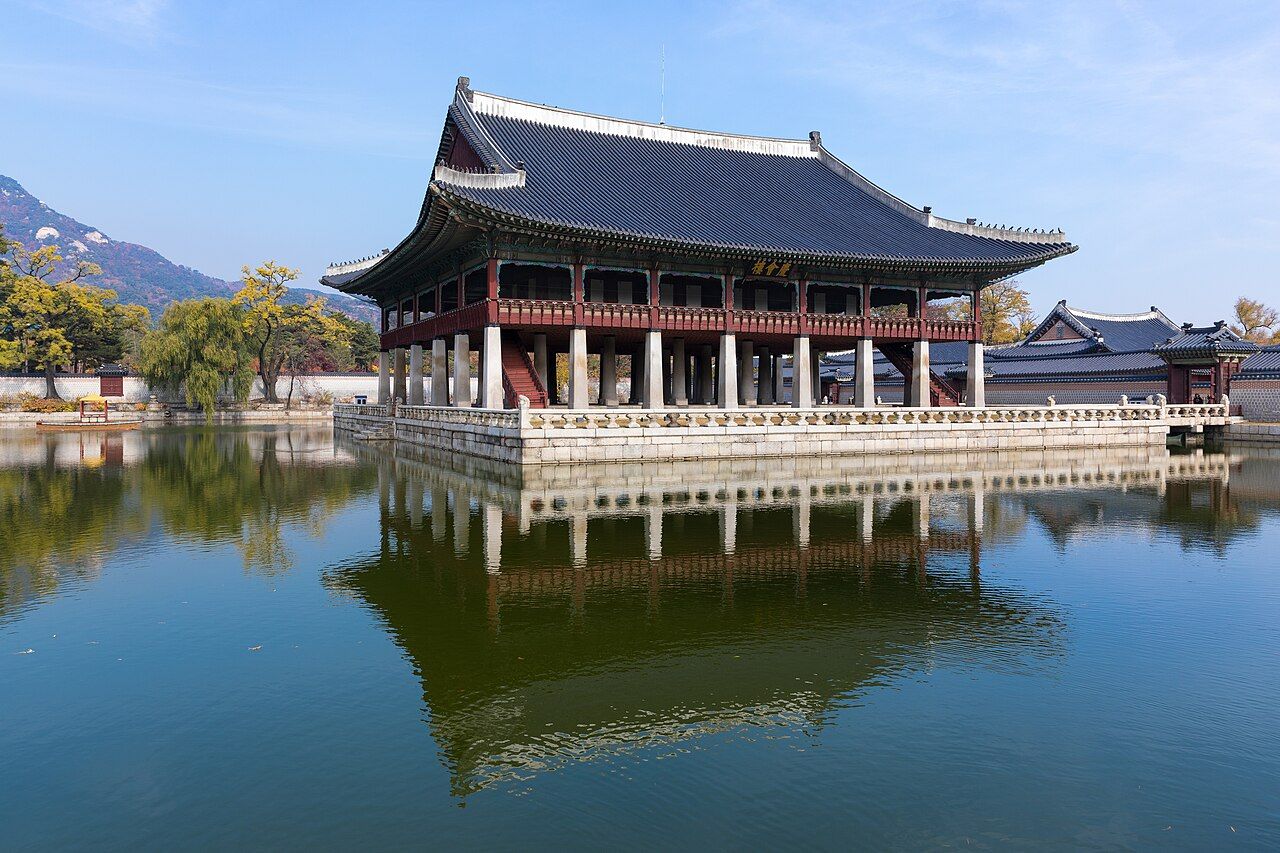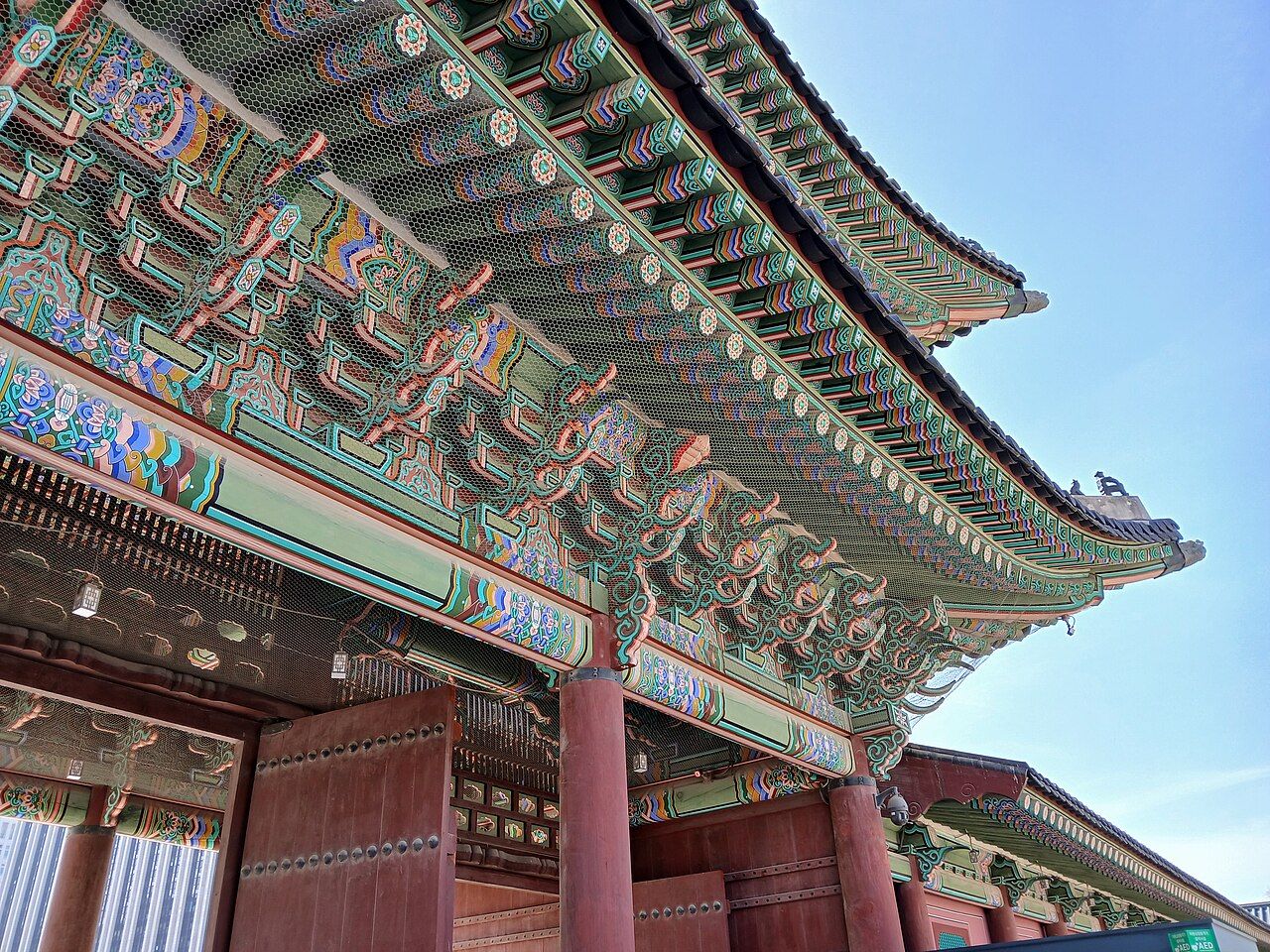
South Korea has been one of the steadiest places for native English speakers to teach children for decades. The work is structured, the cities are safe and well connected, and a teaching contract usually comes with enough free time to see a good deal of the peninsula. It also asks something of you: punctuality, patience with a hierarchy you did not grow up in, and a willingness to be the only foreign face in a building full of children who are very curious about you.
Two kinds of school
Most jobs teaching children fall into two broad groups. The first is the public school system. Native-speaker teachers are placed in state elementary and middle schools, usually through a government programme; EPIK is the best-known national one, and some city and provincial education offices have run their own schemes over the years. You teach alongside a Korean co-teacher, follow the national curriculum and textbook, and keep school hours.
The second group is the private academy, known in Korean as a hagwon. Children go to these after the regular school day for extra English, maths, music or test preparation. Hours start later and finish later, often running into the evening, and the classes can be smaller and more focused. Academies vary widely in how they are run, so it pays to read a contract slowly and to speak with a current or former teacher before signing.
Both routes generally require a work visa sponsored by the employer, a degree, a clean criminal record check and documents with official stamps from your home country. The details depend on your nationality. The first steps for new teachers are much the same wherever you go, and Korea is strict about paperwork arriving in the right order.
photo
LERK, CC BY-SA 4.0The shape of a school day
In a public elementary school, a typical day runs from mid-morning lessons through lunch to a quieter afternoon. Classes are short, often forty minutes for younger pupils, and you may see the same grade several times a week. Many schools expect foreign teachers to eat lunch in the canteen with the children and staff, which is one of the best ways to learn names and pick up some Korean.
Your co-teacher matters more than anything else. Some co-teachers plan every lesson together with you; others hand you the class and step back. Neither is wrong, but it helps to ask early how they like to work, and to bring games, songs and short activities that fit the textbook unit rather than replace it. Children in Korea are used to a lively, fast-moving English class, and they respond well to clear routines, a points system for teams and plenty of movement.
In an academy, the day usually begins around lunchtime with preparation and ends after the last evening class. Younger children come earlier in the afternoon; older pupils arrive after their regular school and other lessons. The pace is quick, the classes are often levelled by ability, and parents tend to follow progress closely through reports and open classes.
Seoul or somewhere smaller
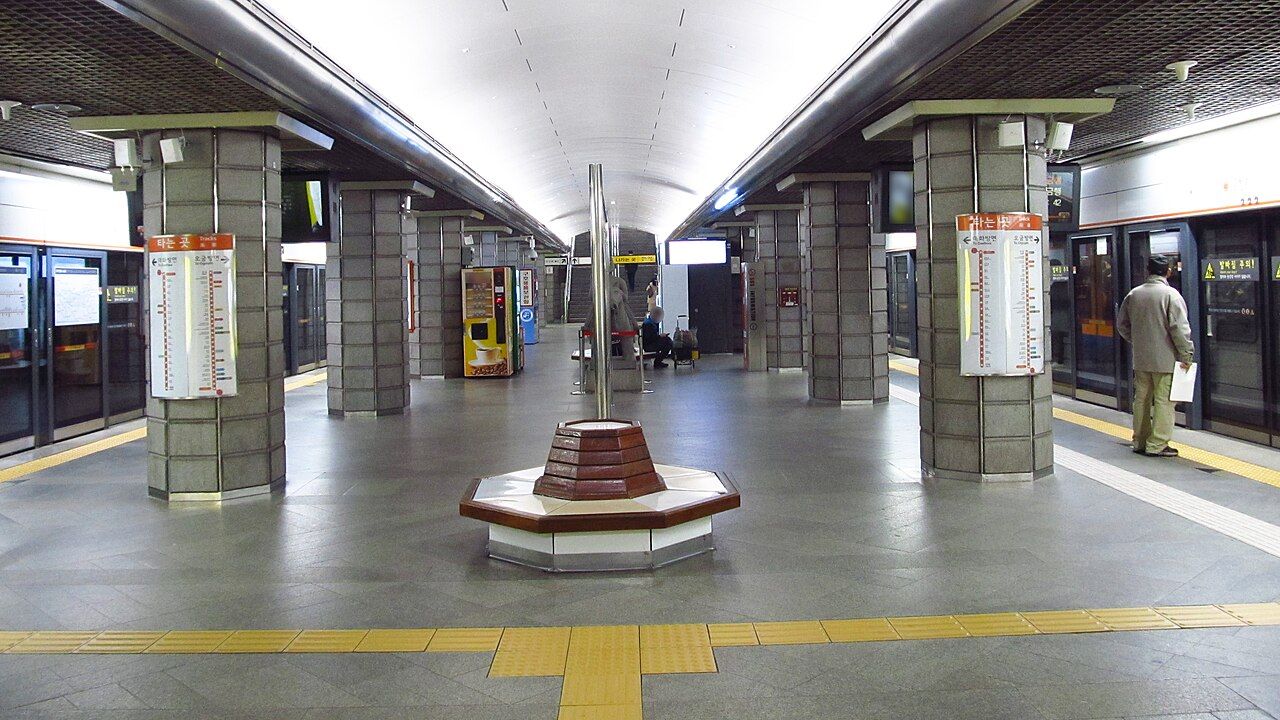
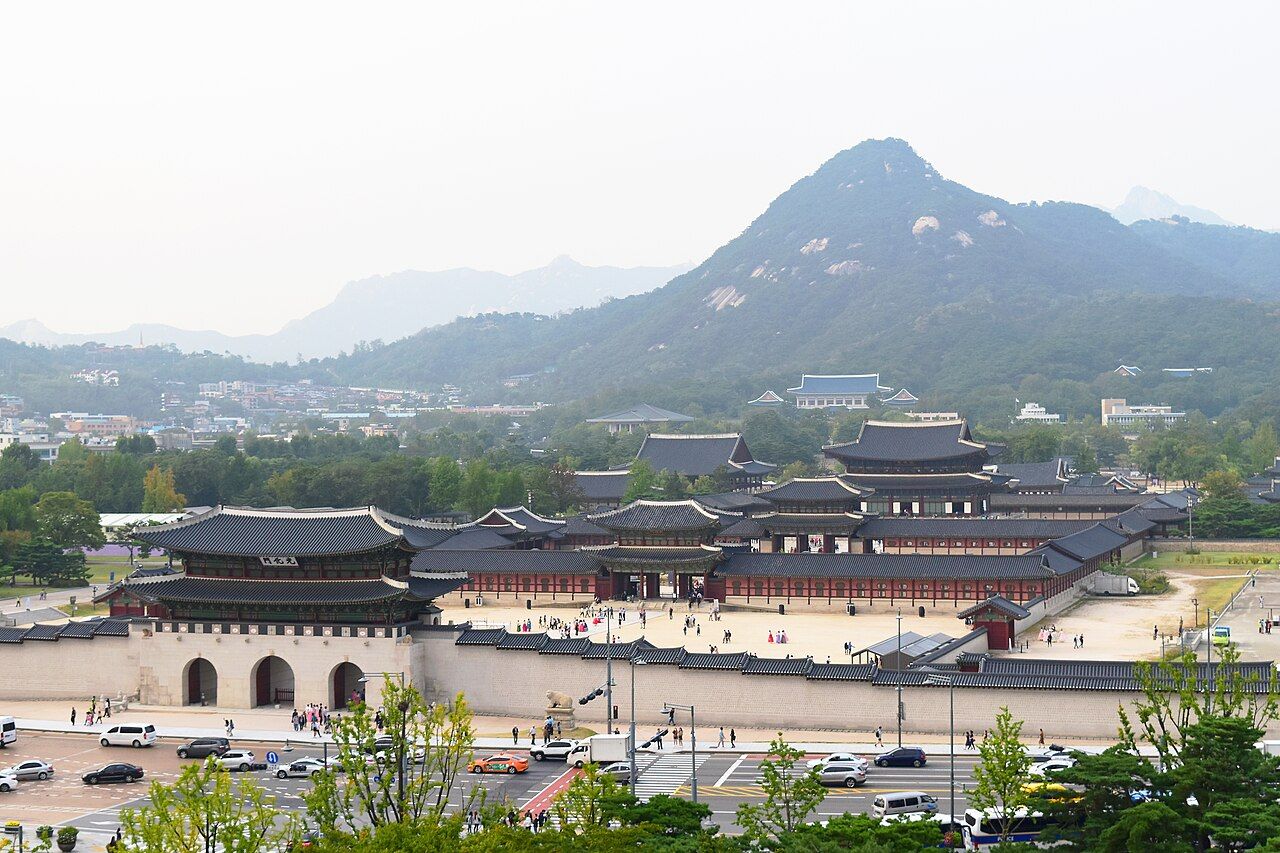
Seoul is enormous, efficient and endlessly interesting. The subway reaches almost every neighbourhood, palaces such as Gyeongbokgung sit a few stops from office towers, and you will never run short of museums, markets, mountain trails or other teachers to meet. The trade-off is that rents are higher, commutes can be long, and posts in the capital tend to be competitive.
photo
이상곤, CC BY-SA 4.0Busan, on the south coast, offers beaches, fish markets and hillside neighbourhoods with a slower rhythm than the capital. Smaller cities and rural towns can be the most rewarding of all: you may be the only native English speaker in the school, colleagues tend to look after you, and the children treat your class as an event. You will need more Korean for daily life and fewer evenings will be spent with other foreigners, but many teachers say the smaller postings are where they learned the most.
Wherever you land, the country is compact and well linked. High-speed trains run from Seoul to Busan in a few hours, intercity buses reach almost every town, and a weekend can take you to temples in the hills, the east coast or the islands of the south.
Turn toJapan's classrooms from the frontA year in four seasons
The Korean school year begins in March and runs in two semesters, with a summer break around late July and August and a longer winter break that takes in January and much of February. Public school teachers do not always get the whole student holiday off; some schools ask foreign staff to run English camps or to be at their desks while classes are out, so ask how vacation days work before you arrive.
Spring brings cherry blossoms in April and mild days that are perfect for walking. Summer is hot and humid, with a rainy season around late June and July. Autumn is the season most teachers love best, with clear skies and red and gold hillsides through October and into November. Winter is cold and dry, especially inland and in the north, and classrooms can feel chilly in the mornings, so pack proper layers.
These breaks are your travel windows. Plenty of teachers use them for trips around Korea and across the region; our guide to how teachers travel on school holidays covers how to plan around them.
photo
Basile Morin, CC BY-SA 4.0Respect, rank and the staff room
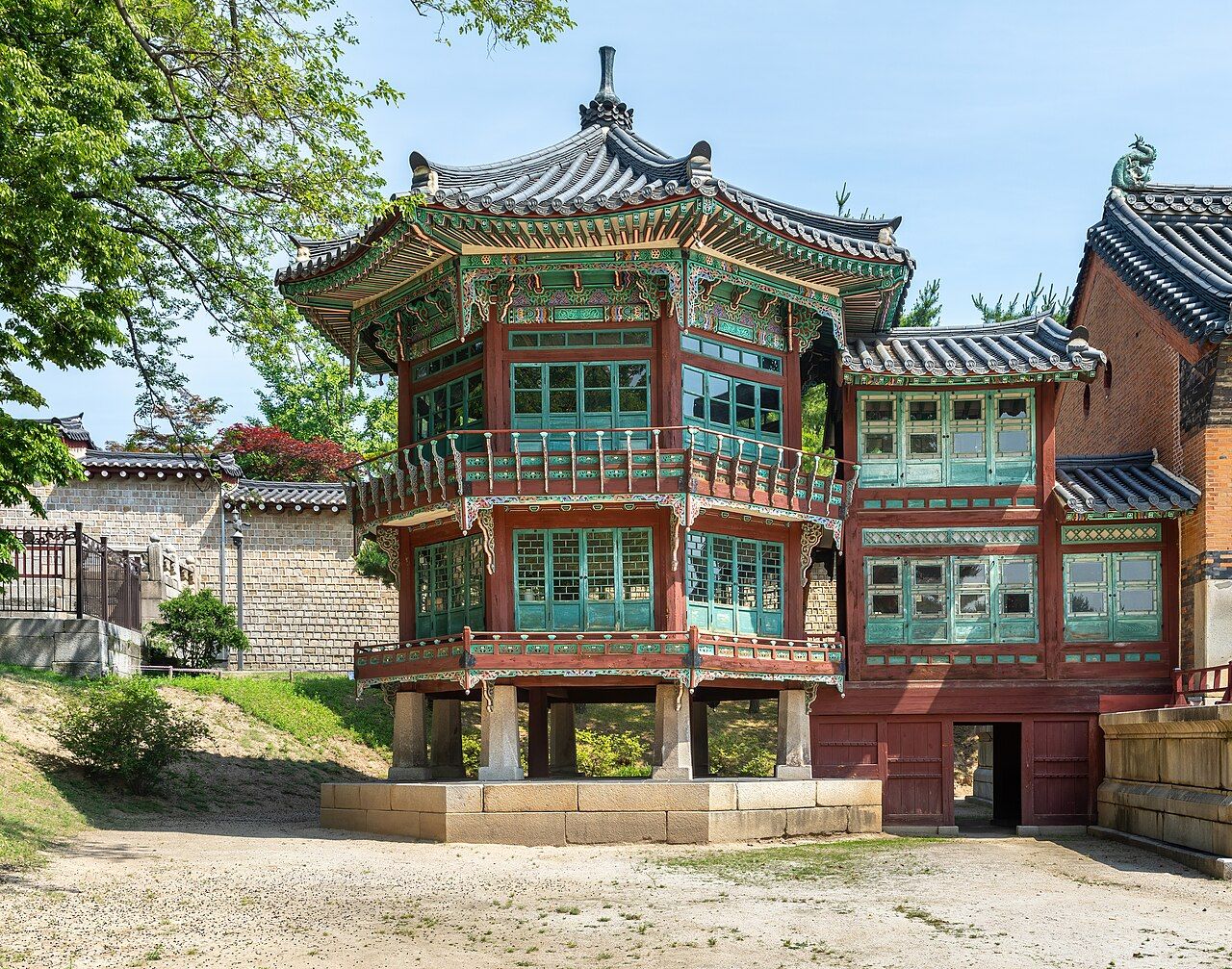
Korean workplaces have a clear sense of seniority, and schools are no exception. The principal and vice-principal are treated with formality, older colleagues are addressed with care, and decisions travel down from the top. You do not need to master all of it, but small habits go a long way.
- Greet colleagues when you arrive and leave, with a small bow and the usual Korean greeting.
- Give and receive things, especially documents and gifts, with both hands.
- Wait for older colleagues to start eating, and pour drinks for others before yourself.
- Keep disagreements private and calm, and raise problems with your co-teacher first.
- Say yes to staff dinners when you can; they are where relationships are built.
Children follow similar patterns. They bow to teachers, they are used to being addressed with warmth and firmness at once, and they notice whether you are fair. Learning their names, and using them, matters more than any lesson plan.
Dress for school is neat and modest, and many schools ask staff to change into indoor shoes at the door. Tattoos are increasingly common in Korea but some schools still prefer them covered at work, so take long sleeves for the first weeks until you know the mood of your building.
photo
Basile Morin, CC BY-SA 4.0Making the most of it
Learn to read Hangul before you go. The alphabet can be learned in a few evenings, and being able to sound out menus, bus signs and the names on your class list changes your first month completely. Pick up a few hundred words of everyday Korean, and your colleagues will notice the effort.
Keep a simple folder of activities that work with any textbook unit: picture cards, a few chants, a guessing game and a quick team quiz. When a lesson collapses, as some will, you can rescue it in seconds.
Finally, give yourself time. The first months in any new country are tiring, and it is normal to feel out of step for a while; our piece on homesickness, and coming home again is there for the harder weeks. By the second semester most teachers find their routine, their favourite noodle shop and a class that greets them at the door, and that is usually when Korea starts to feel like home.
Learning their names, and using them, matters more than any lesson plan.