
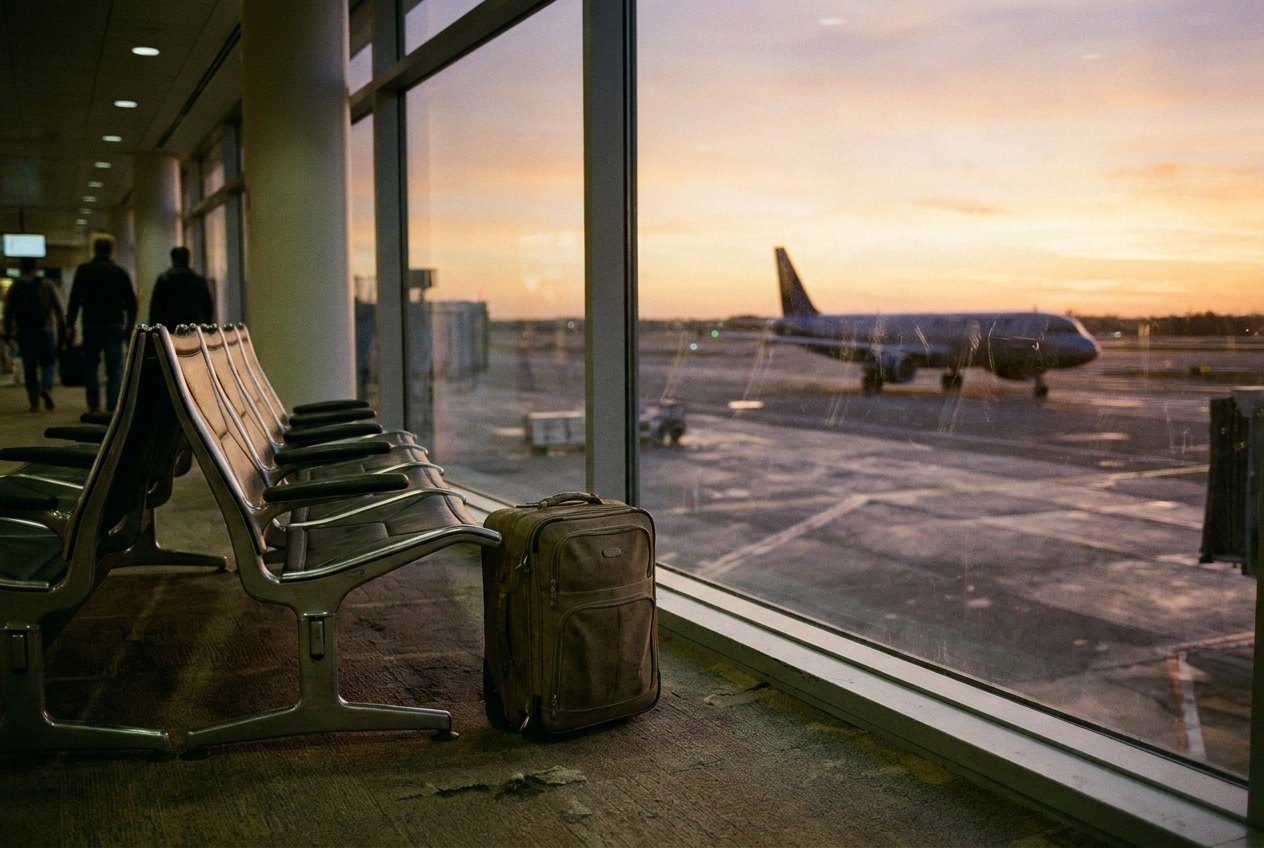
The photographs from a year abroad show temples, beaches, festivals and classes of smiling children. They do not usually show the evening you sat on the floor of a small flat, unable to read the instructions on a washing machine, missing a family dinner that was happening eight time zones away. Both are part of the experience. Knowing that the hard moments are normal, and that they usually pass, makes them much easier to live through.
The first months
Many people describe the first weeks in a new country as a kind of high. Everything is new, the food is exciting, the school welcomes you, and every walk to the shop is an adventure. Then, often after a month or two, the novelty fades. Small things start to grate: not understanding conversations, the effort of every errand, missing familiar food, the feeling of always being a guest.
This dip is common enough to be expected. It does not mean you chose the wrong country or the wrong job. It usually means the excitement of arrival has worn off and the real work of building a life has started. For most people, the dip eases as routines settle, language improves and friendships form.
Help yourself through it with small, steady things. Keep a regular sleep pattern. Cook something you know from home now and then. Find one local place, such as a park, a market or a swimming pool, that you visit every week. Learn enough of the language to handle daily life, which gives back a surprising amount of independence.
Culture fatigue
Culture fatigue is quieter than homesickness. It is the tiredness that comes from constantly reading a new set of signals: how to greet colleagues, when to speak in a meeting, how close to stand, what is polite at a meal. None of it is difficult on its own, but doing it all day, every day, can wear you down.
The answer is not to withdraw but to give yourself small breaks. Time alone, a book or film in your own language, a call with someone who knows you well, a walk with no destination. It also helps to remember that your hosts are making adjustments too, often working hard to include a newcomer whose habits seem just as strange to them. Judging a whole culture by a tired afternoon is unfair to everyone, including you.
Keeping friendships
Friendships at home change when you leave. Time differences make calls awkward, and life carries on without you: weddings, birthdays, new jobs, new babies. Some friendships fade; others grow stronger through effort on both sides.
A few habits help keep the important ones alive:
- Agree a regular call time that works for both time zones, even once a month.
- Send small things, such as a photo, a voice note or a postcard, without waiting for a reason.
- Ask about their lives as much as you talk about yours.
- Accept that you will miss some events, and mark them in your own way.
At the same time, build friendships where you are. Other teachers, colleagues, neighbours and people who share a hobby can become close friends. Many teachers find that the people they meet abroad stay part of their lives for decades. Balancing late calls home with early classes is part of the wider puzzle of teaching across time zones.
Turn toHow teachers travel on school holidaysReverse culture shock
Coming home can be harder than leaving. You expect the country you left to feel familiar, and in many ways it does, yet something has shifted. Prices, habits and conversations may feel odd. Friends may be interested in your stories for an evening, then move on. The routines you built abroad have gone, and the ones at home no longer fit quite as they did.
This is reverse culture shock, and it catches many people by surprise. It helps to expect it and to give yourself time. Keep some of the habits you liked abroad, such as cooking a dish you learned or walking in the evenings. Stay in touch with friends from your time away, who understand the experience in a way others may not. Look for local groups or communities with links to the country where you lived.
It also helps to have something to step into: a job, a course, a project or a plan for the next move. An empty diary on return can make the adjustment harder.
What the experience is worth
Teaching children abroad builds skills that last. You learn to explain clearly, to plan under pressure, to adapt when a lesson fails, and to manage a room of energetic young learners. You learn to live with uncertainty, to solve problems in a language you barely speak, and to work within customs that are not your own. Those skills carry into many kinds of work, from education and youth work to roles that depend on communication across cultures.
When you describe the experience to future employers, be specific. Talk about the ages you taught, the size of your classes, the materials you adapted and the problems you solved. Talk about working with colleagues across a language barrier. Avoid presenting the year as only a long holiday, even if the trips were a large part of it.
The deeper worth is harder to put on a form. Many teachers return with a different sense of their own country, a respect for the place that hosted them, and memories of children who learned their first English words in their class. If you are still at the start of that journey, the guide to qualifications and first steps is the place to begin.
Bell rings: back to this unit.