
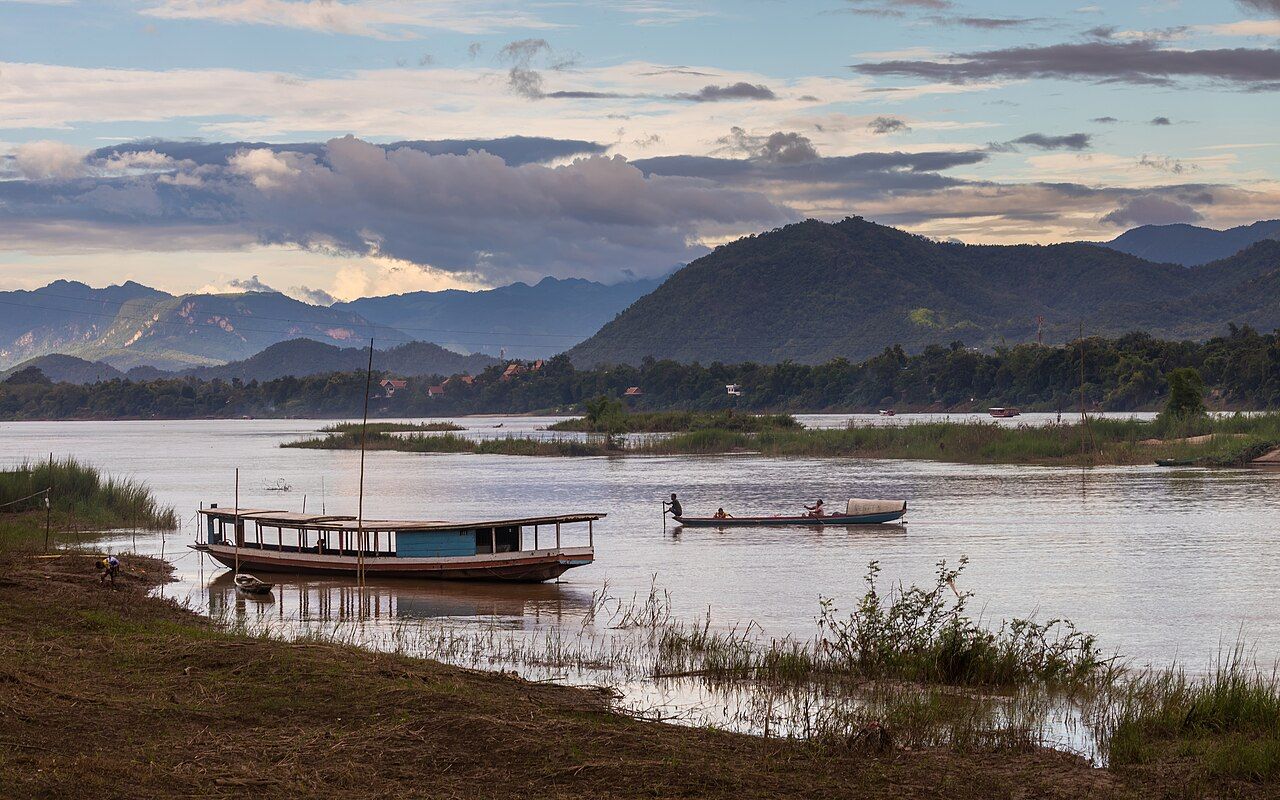
One of the quiet advantages of teaching children abroad is that your year comes with built-in breaks. Schools close for national holidays, seasonal festivals and the gaps between terms, and a teacher living in Seoul, Tokyo, Madrid or Hanoi is already halfway to dozens of places that would be a long-haul trip from home. The trick is to treat the school calendar as a travel plan, and to protect enough rest that you come back to class with energy rather than a backlog of tiredness.
Read the calendar first
The first thing to ask for when you start a job is the school calendar for the year. It will show term dates, public holidays, exam weeks and any days when teachers are expected at school even if children are not. Public schools and private academies often have different calendars in the same city, and your contract may give you fewer days off than the children get. Check your own holiday entitlement in writing before you book anything.
School years run on different patterns around the world. In South Korea, the year generally starts in March, with a long winter break and a shorter summer one. In Japan, the school year begins in April, with a summer holiday from around late July and shorter breaks in winter and spring. Spain's school year usually runs from September to June, with breaks at Christmas and Easter. Vietnam's school calendar and the Tết holiday around the lunar new year shape the year there. Exact dates shift each year and vary by region and school, so always confirm locally.
Look out for national holidays that fall mid-week, which can sometimes create a long weekend. In Korea, Chuseok in autumn and Seollal, the lunar new year, are major family holidays when much of the country travels. In Japan, Golden Week, a cluster of public holidays from late April into early May, is one of the busiest travel periods of the year. During peak holidays, transport fills and prices rise, so book early or plan to stay closer to home.
From Seoul: Jeju and the coast
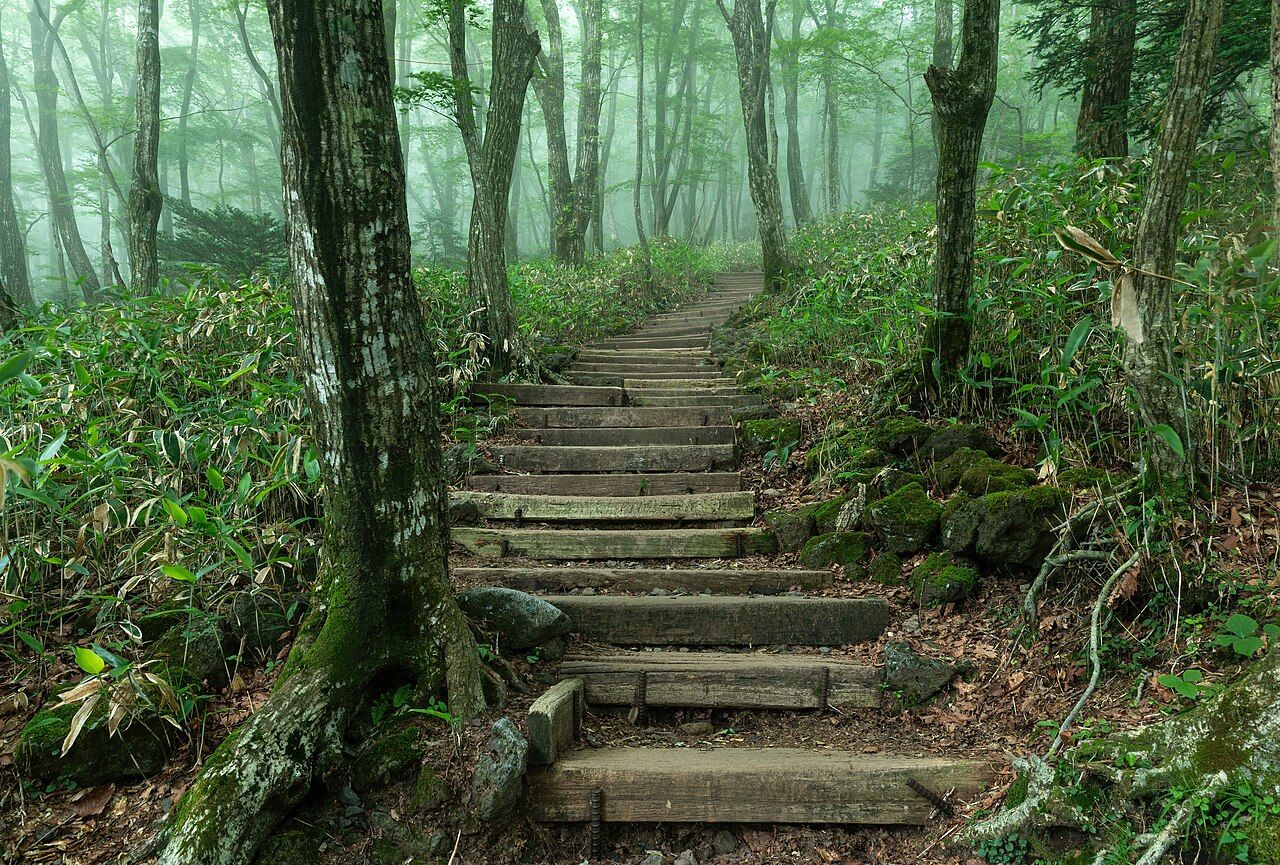
For teachers in South Korea, Jeju Island is the classic short escape. A short domestic flight from Seoul, or a longer journey by train to the south coast and a ferry, brings you to a volcanic island with beaches, lava tube caves, coastal walking paths and Hallasan, the country's highest mountain, rising in the middle.
photo
Basile Morin, CC BY-SA 4.0Several trails lead up Hallasan, and some are closed or limited in winter or bad weather. On the mainland, the high-speed rail line makes Busan, Gyeongju and the southern coast an easy long weekend. Korea's buses and trains are efficient enough that even a two-day break can feel like a trip. More on daily life and work there is in the guide to teaching children in South Korea.
From Tokyo: Kyoto and beyond
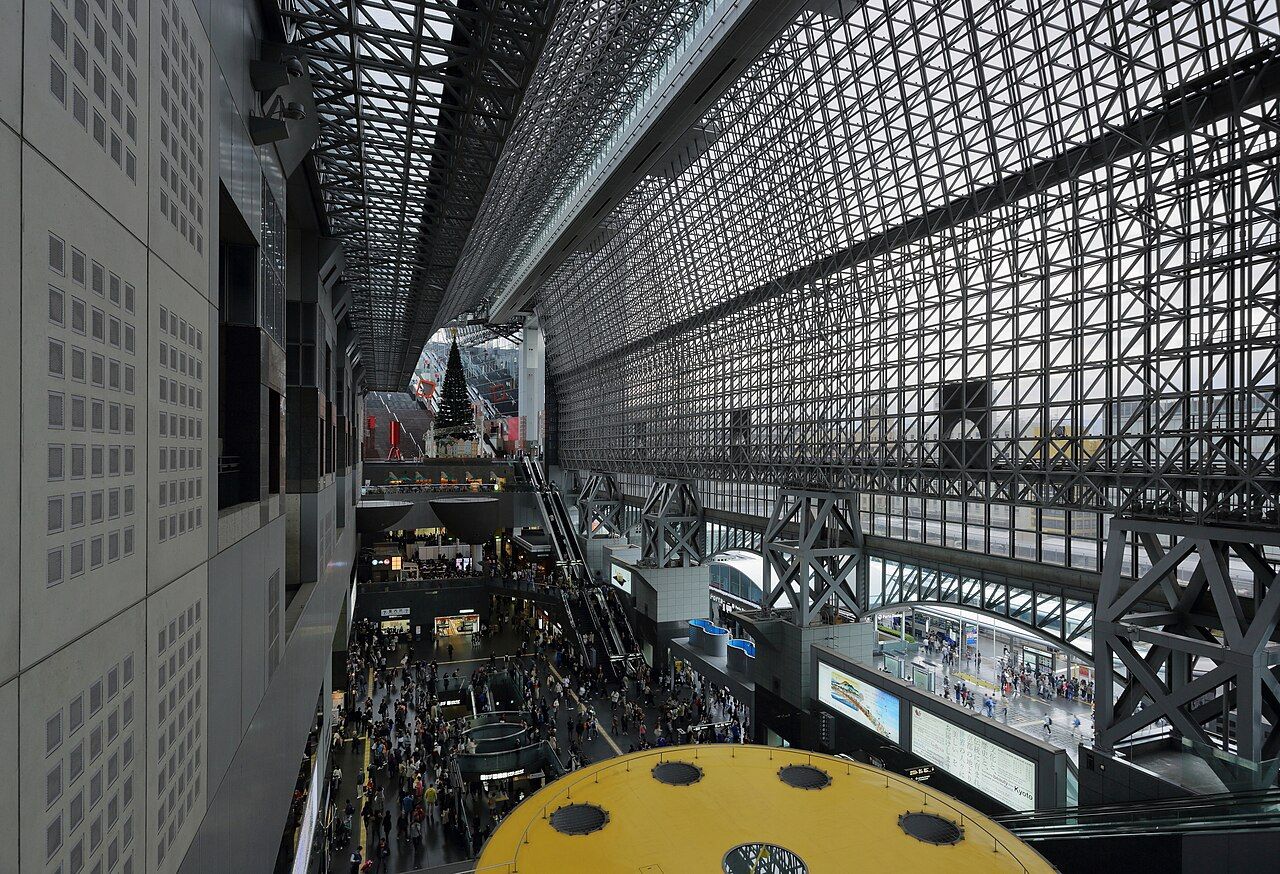
From Tokyo, the Shinkansen runs to Kyoto in a little over two hours. The city's temples, shrines and gardens could fill many holidays, and it makes a good base for day trips to Nara and Osaka. Kyoto Station itself, a large modern building opened in 1997, is an arrival hall that surprises many visitors who expect something older.
photo
Martin Falbisoner, CC BY-SA 4.0Rail passes for visitors may not be available to people living in Japan on a work visa, so do not plan on one without checking the current rules. Regular tickets, regional passes and long-distance buses are all options. Popular places in Kyoto get very busy during the cherry blossom season and autumn leaves, so early mornings are your friend. Teachers placed in smaller towns often find the countryside near their school is one of the best parts of the year, as the story on Japan's classrooms describes.
Turn toA school year in SpainFrom Madrid: Granada and the south
Spain's rail network makes it one of the easiest countries in Europe to explore on a teaching schedule. From Madrid, high-speed trains reach Seville, Córdoba, Málaga and Granada, and slower regional lines link smaller towns. Granada, at the foot of the Sierra Nevada, is home to the Alhambra, whose palaces and gardens are among the most visited sites in the country. Entry is by timed ticket and can sell out, so book well in advance.
Weekends in Spain can feel longer than elsewhere, because public holidays sometimes join with a weekend into a "puente", or bridge, when people take the day between them off. Each region also has its own holidays and festivals, which can be a reason to travel or a reason to stay put and watch your own town celebrate. Easter week brings processions in many cities, especially in Andalusia, and the trains and hotels fill quickly.
Language assistants usually work fewer hours than full-time teachers, which leaves time for travel, but it is still worth pacing your trips. A long weekend every month or so is more restful than travelling every weekend and arriving on Monday morning exhausted.
From Hanoi: Laos and the region
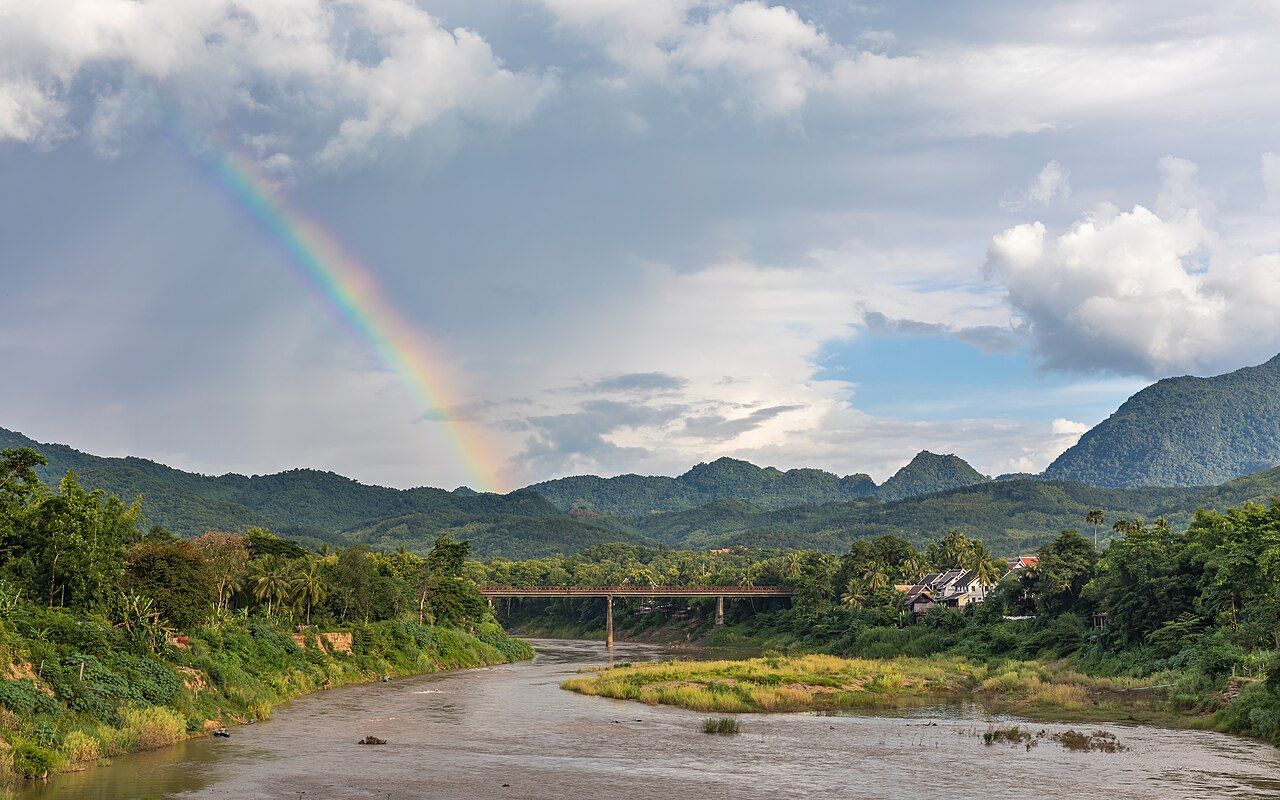
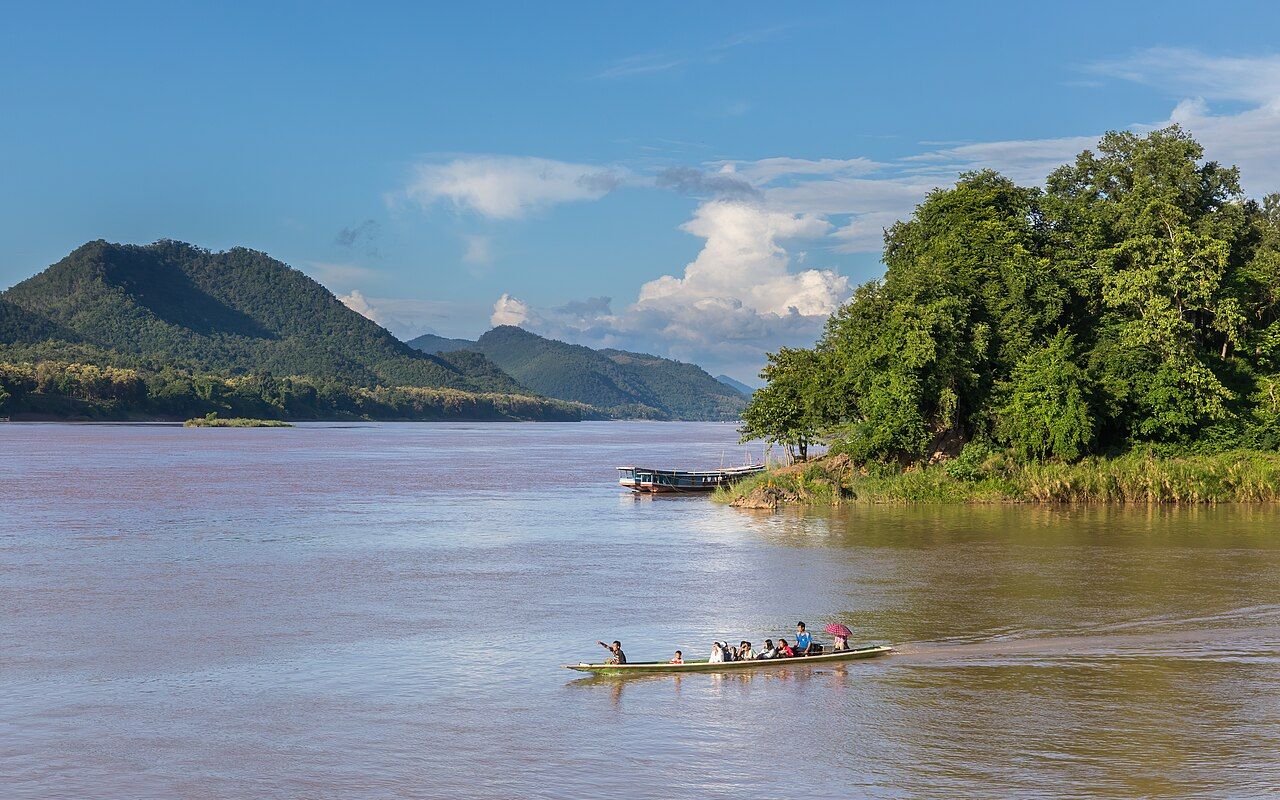
Hanoi sits within a short flight of several countries in Southeast Asia, and Luang Prabang in Laos is one of the most rewarding. The old town, a UNESCO World Heritage Site, lies on a peninsula where the Nam Khan river meets the Mekong. Temples, wooden houses and old colonial buildings sit along quiet streets, and the river is the centre of daily life.
photo
Basile Morin, CC BY-SA 4.0Visitors often rise early to watch the morning alms round, when monks walk through the streets collecting offerings. It is a religious practice, not a show: keep a respectful distance, dress modestly, stay quiet and do not use flash or block the monks' path. Slow boats and longboats run on the Mekong, and the town is a good base for waterfalls and villages in the surrounding hills.
photo
Basile Morin, CC BY-SA 4.0Within Vietnam, Tết is the biggest holiday of the year, and many teachers use it for a longer trip. Transport inside the country fills up in the days before and after, as families travel home, so book well in advance or choose to stay and experience the holiday in your own city. Weekend trips to Ha Long Bay or the old town of Hội An are popular at other times of year. The story on teaching in Vietnam covers more of daily life there.
Budgeting time, not just money
Most new teachers plan trips by cost. The experienced ones plan by energy. Travel days, especially with early flights and late arrivals, take more out of you than you expect, and the first days back at school after a holiday are often the hardest. It is worth asking yourself how much you want to see against how much you want to rest.
A few habits help:
- Choose one main destination per break rather than three, and stay long enough to settle.
- Book the outbound journey for the first full day of a break, not straight after your last class.
- Keep the last day or two of every long holiday free for rest, laundry and planning.
- Travel in shoulder seasons when you can, and save the busiest national holidays for staying local.
- Keep a rough record of what you have seen, so a year of trips does not blur into one.
Rest before the new term
Teaching young children takes a lot of physical and emotional energy. They notice when you are tired, and a class of seven-year-olds is no place to recover from a red-eye flight. Plan to be home with a day or two to spare before term begins, so you can prepare lessons, sleep and walk back into school ready.
The trick is to treat the school calendar as a travel plan, and to protect enough rest that you come back to class with energy rather than a backlog of tiredness.
There is also value in staying put now and then. Spending a holiday in your own city, visiting its museums, parks and markets without the rush of a working week, can deepen your sense of the place you live. Teachers who combine teaching with travel for years often say that their best memories are not only the famous sights but the ordinary weeks in a town they came to know well. When a stretch abroad ends, the story on coming home again looks at what follows.