

Spain is one of the most popular places in Europe for young English speakers who want to teach children and live abroad for a year. The best-known route is Spain's auxiliares de conversación scheme, run by the national education ministry with regional governments, which places native speakers in state schools as language assistants. It is a part-time role, which leaves room to learn Spanish, take private classes in your free hours where your visa allows it, and see a great deal of the country.
How the language assistant scheme works
Language assistants support the teacher rather than run the class. You might lead conversation in small groups, read stories aloud, prepare short presentations about your home country, or help in subjects taught partly in English, such as science or art, in bilingual schools. Weekly hours are limited, and most assistants work four days a week.
Placements usually run from around October to May or June, following the school year. Applications open months in advance, regions and schools are assigned rather than chosen freely, and the paperwork, including the visa for non-European citizens, takes time. The rules on eligibility, hours, documents and visas change, so read the current official guidance from the Spanish ministry and your nearest Spanish consulate before you apply, and allow extra weeks for appointments. Our guide to qualifications and first steps covers the documents most programmes ask for.
Regions and cities
Spain is not one place. The country is divided into autonomous communities, and each has its own character, climate and, in several cases, its own co-official language. Schools in Catalonia, Valencia, Galicia, the Balearic Islands and the Basque Country teach partly in Catalan, Valencian, Galician or Basque, so you may hear more of those than Spanish in the staff room.
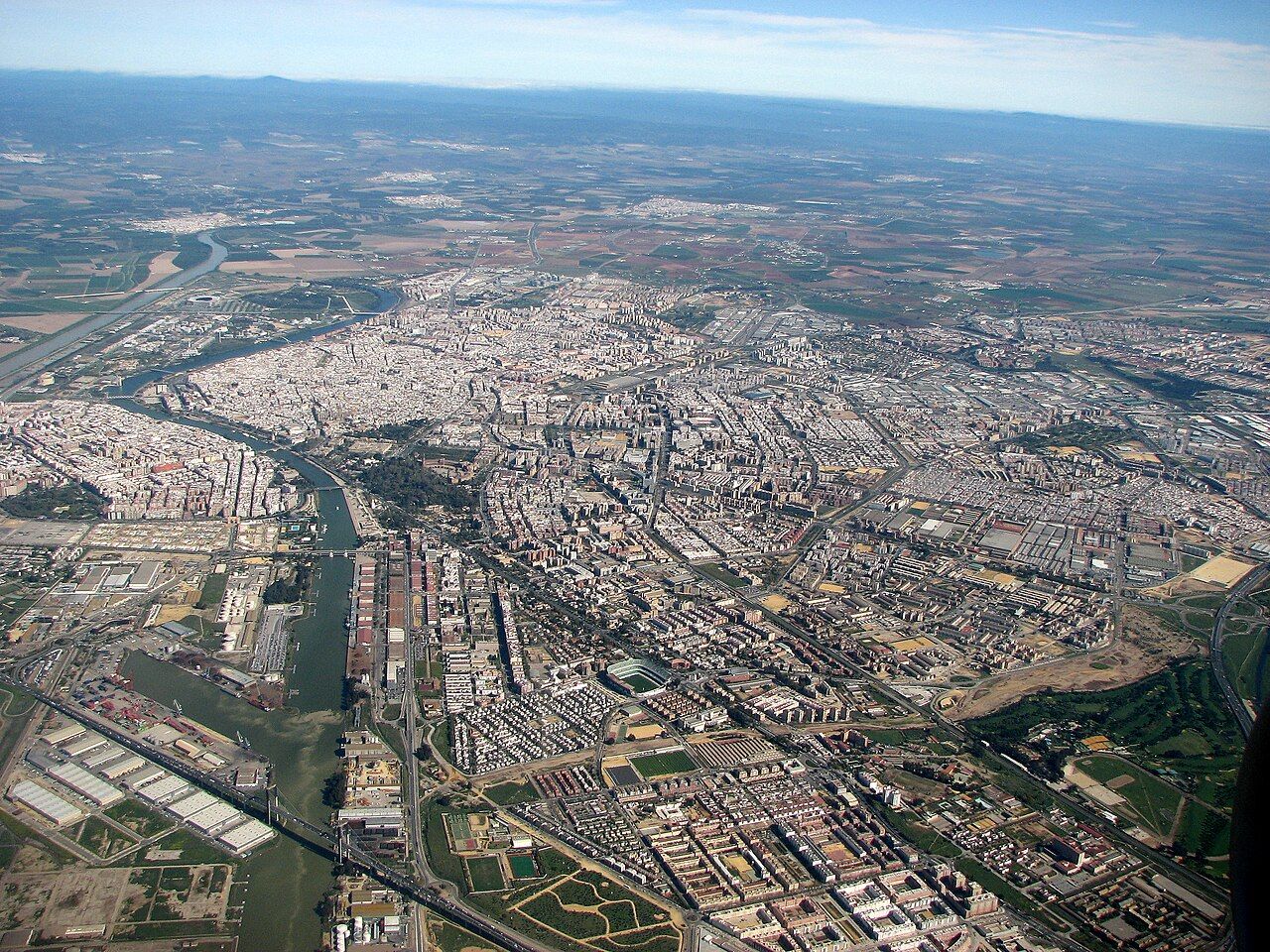
Andalusia, in the south, is the largest region for language assistants. Seville, Granada, Córdoba and Málaga offer warm winters, Moorish architecture, flamenco and long evenings outdoors. Many assistants are placed in smaller towns around them, which means a quieter life, more Spanish practice and sometimes a commute by bus or train.
photo
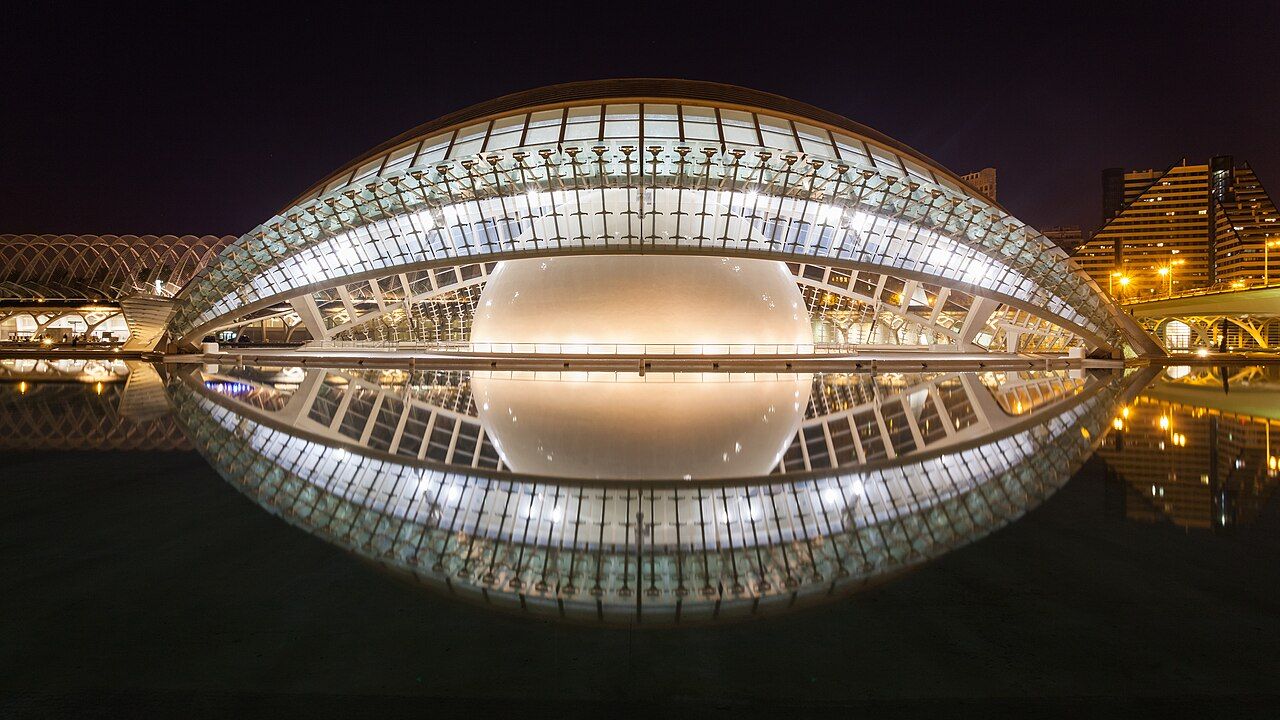
El-mejor, CC BY-SA 3.0Madrid is the busiest region for placements, with big-city energy, museums and the best train connections in the country. Valencia mixes beaches, orange groves and a lively old town with the modern City of Arts and Sciences. The north, from Galicia to the Basque Country, is greener, cooler and rainier, with excellent food and fewer English speakers.
Ask yourself whether you want a city or a town, sun or rain, and how much Spanish you want to speak each day. Then pick your regional preferences with care, and accept that the final placement may surprise you.
The long lunch and the late dinner
Daily life in Spain runs later than most visitors expect. Breakfast is light. Many people take a coffee and a snack mid-morning. Lunch, the main meal of the day, is often eaten between two and three in the afternoon, and dinner rarely starts before nine at night and can run much later in summer and on weekends.
Turn toChildren's English classes in Latin AmericaSchools reflect this rhythm in different ways. Some regions keep a split day with a long lunch break; others have moved to a continuous morning schedule that ends in the early afternoon. Either way, children in Spain are used to a full afternoon of family time, sport and after-school activities, and many families look for private English lessons in those hours.
The classic siesta is less common in cities than it once was, but in many towns, especially in the south and in summer, shops close for a few hours in the afternoon and streets empty out in the heat. Plan errands for the morning or the early evening, and learn to enjoy a slower afternoon.
In the Spanish classroom
Spanish classrooms are warm, noisy and full of energy. Pupils often greet teachers with first names, and affection is shown openly. Teachers are respected, but the atmosphere is usually more relaxed than in East Asia. Children are curious about where you come from, what you eat at home and whether you have pets, and a good self-introduction lesson with photos and maps will carry you through your first week.
Bring a stock of songs, short games and actions for new words for the younger grades. With older pupils, debates, quizzes and short presentations work well. Ask your supervising teacher early how much they want you to plan, and be reliable about being there on time.
Weekend travel by train
Spain's high-speed rail network is one of the best reasons to live there. From Madrid, fast trains reach Seville, Córdoba, Málaga, Valencia, Barcelona and many other cities in a few hours, and regional trains and buses fill the gaps in between. A free long weekend, which language assistants often have, can take you to the Alhambra in Granada, the mosque-cathedral in Córdoba or the beaches of the Costa del Sol.
photo
Diego Delso, CC BY-SA 3.0Book early for holiday weekends, as trains fill up. Look at school calendars for the long breaks at Christmas, Easter and the regional festival days, and plan bigger trips around them. Portugal, France and Morocco are all within reach for the longer holidays. Our piece on how teachers travel on school holidays covers how to plan the whole year.
Spanish first, then a flat
Learn as much Spanish as you can before you leave, and keep studying when you arrive. Housing is usually arranged by assistants themselves, so expect to spend your first days looking for a shared flat, and keep copies of every document. Bring warm clothes even for the south, as older buildings can be cold in winter.
Above all, accept the pace. A year in Spain rewards those who slow down, eat late, talk long and say yes to invitations.
Bell rings: back to this unit.