
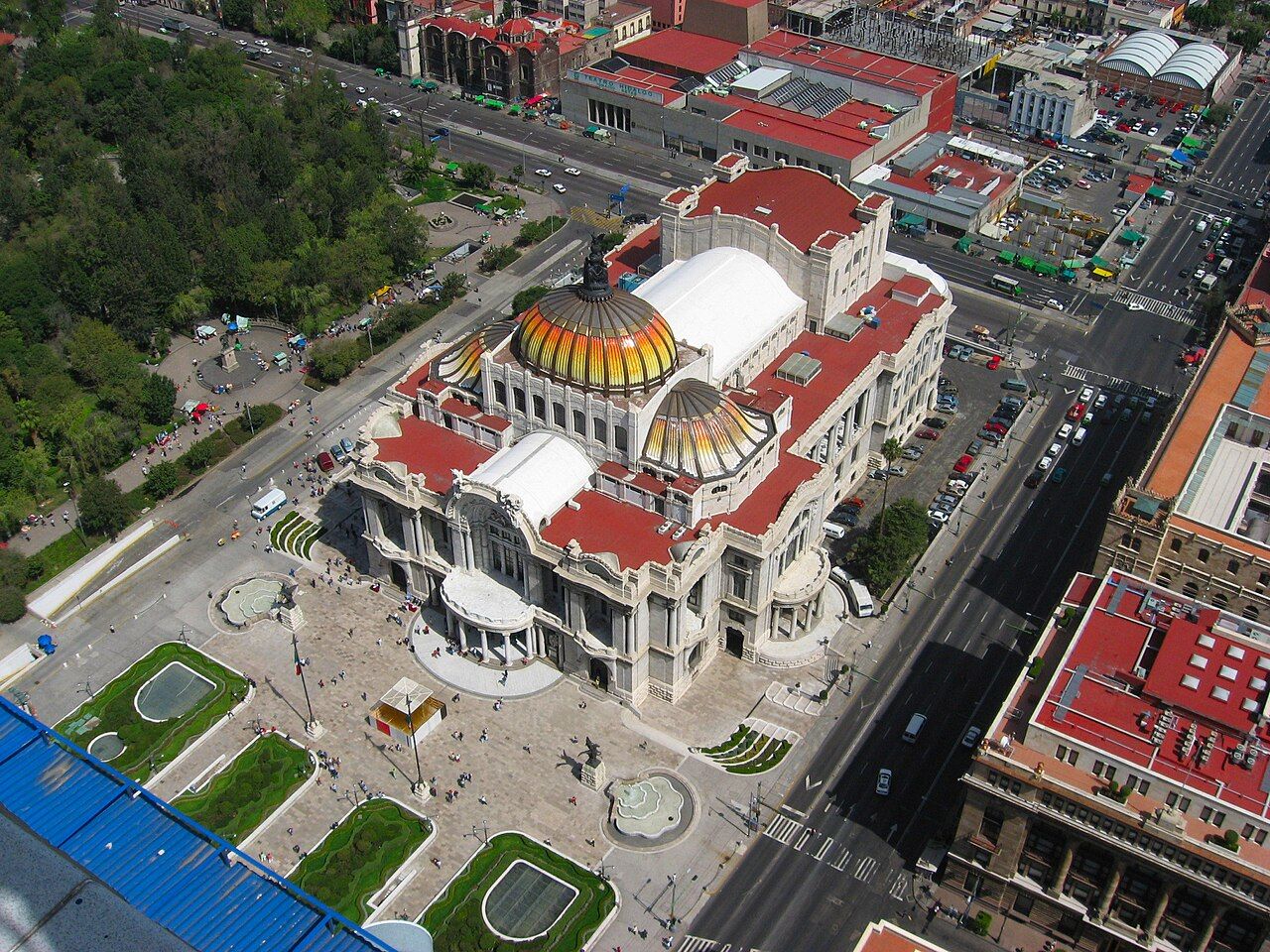
Latin America is a natural fit for teachers who want to learn Spanish, live in big cities with mountains on the horizon, and travel overland between terms. Demand for English among families is strong in many countries, and children's classes are a large part of the work, from after-school programmes to bilingual schools. This guide looks at Colombia, Mexico and Chile in general terms; each country, and each city, has its own rhythm.
Where the work is
Most teaching jobs with children sit in private bilingual schools, after-school language programmes and private lessons. Public school programmes exist in some countries, and governments have run national English initiatives over the years, but they change often, so look for current details on official education ministry pages.
Colombia has become a popular choice. Bogotá, the capital, is a large city on a high plateau; Medellín, in a green valley to the north-west, is known for its mild climate all year; and coastal cities such as Cartagena and Santa Marta are hot and humid. Mexico offers enormous variety, from Mexico City and Guadalajara to colonial cities such as Puebla, Querétaro and Oaxaca. Chile's teaching work is concentrated in Santiago, a modern capital at the foot of the Andes, with Valparaíso and Viña del Mar on the coast nearby.
Contracts and paperwork
Contracts in the region are often shorter and more flexible than in East Asia. You may find a one-semester contract, a school-year post or part-time hours spread across several employers. That flexibility suits travellers, but it also means less support with housing, flights and paperwork.
Work visas differ by country and are usually tied to a specific employer. The rules change, and some employers may suggest working on a tourist entry, which can carry real legal risks for you. Keep copies of your degree and background checks with official certification, and read our guide to qualifications and first steps before signing anything.
photo
Diego Delso, CC BY-SA 3.0Spanish is your best asset
You will teach in English, but you will live in Spanish. Even a basic level makes renting a flat, opening a bank account, seeing a doctor and chatting with parents at the school gate far easier. Colleagues appreciate the effort, and children are delighted when their teacher stumbles over a word in their language.
Spanish also helps in class. With very young learners, a quick word in their language can calm a worried child or explain a game in seconds. Most schools want the lesson in English, so use it sparingly, but knowing what children are saying to each other is a quiet advantage.
Turn toA school year in SpainAccents and vocabulary differ from country to country, and from the Spanish taught in many textbooks. Colombians, Mexicans and Chileans each have their own slang, and Chilean Spanish is famously quick. Listen, ask, and enjoy the differences. Children will happily teach you their own words for snacks, games and playground rhymes, and swapping vocabulary that way is a lesson in itself.
Altitude and city life
Several of the region's great teaching cities sit high above sea level. Bogotá is above 2,500 metres and Mexico City is well over 2,000 metres. In the first days you may feel short of breath on stairs, sleep poorly or get headaches. Drink plenty of water, go easy on alcohol, rest in the first week and build up exercise slowly. If you have health conditions, talk to a doctor before you travel.
High cities also have their own weather. Days can be warm in the sun and cool in the shade, and evenings get cold, so pack layers rather than heavy coats. The sun is strong at altitude, so take sunscreen and a hat even on cloudy days.
Big cities in the region are lively, creative and generally welcoming, but take the same care you would in any large city: ask colleagues which areas to live in, use licensed taxis or ride-hailing at night, and keep valuables out of sight.
School calendars and travel between terms
School years differ by hemisphere and by country. In Chile, south of the equator, the school year runs roughly from March to December, with a winter break in July. In Mexico, the public school year usually runs from late August to July. Colombia has two calendars: most public schools start the year in late January or February, while many private bilingual schools follow a calendar that starts in August. Ask which one your school follows before you arrive.
The breaks between terms are the moment to travel. From Colombia, you can reach the coffee region, the Caribbean coast or the Amazon. From Mexico, ruins, beaches and colonial towns are within a long bus ride. From Chile, the Atacama Desert, the Lake District and Patagonia are all possible, depending on the season. Long-distance buses are comfortable and cover most routes, and regional flights save days on longer journeys. Our guide to how teachers travel on school holidays has more on timing trips around a contract.
In the classroom
Children's classes in the region tend to be warm and expressive. Pupils may greet you with a hug or a kiss on the cheek in some places, and parents often know teachers well. Follow your school's guidance on contact and communication, keep clear professional boundaries, and keep parents informed about progress.
Songs, games and actions for new words work well, especially with younger learners. Keep lessons varied, praise effort and give every child a moment to speak, and your classes will look forward to English.
Bell rings: back to this unit.